Have you ever wondered if the most effective way to fight a tumor is actually hidden within your own immune system? Choosing among the best cancer treatment centers involves more than just picking a nearby facility. It requires finding a partner in innovation that understands your unique medical path.
The top hospitals usa cancer experts recommend often focus on the power of precision and patient comfort. These facilities utilize advanced immunotherapy to train your own cells to recognize and destroy harmful threats. This personalized approach is changing the way we think about recovery and long-term health.
Another breakthrough in modern medicine is proton therapy, which targets specific issues with extreme accuracy. Your health deserves the most sophisticated tools available to science today. Selecting a facility that offers these technologies is a vital step toward a successful outcome.
Key Takeaways
- Top facilities prioritize personalized care and genomic testing.
- Immunotherapy uses the body’s immune system to attack diseased cells.
- Proton beams provide high precision while sparing healthy surrounding tissue.
- Access to clinical trials offers patients the latest experimental treatments.
- Multidisciplinary teams ensure a holistic approach to patient recovery.
- Choosing a specialized center significantly improves long-term survival rates.
The Current State of Cancer Treatment in America
The landscape of cancer treatment in America is undergoing a significant transformation. With advancements in medical technology and research, the field of oncology is rapidly evolving to provide more effective and personalized care.
Evolution of Advanced Cancer Care
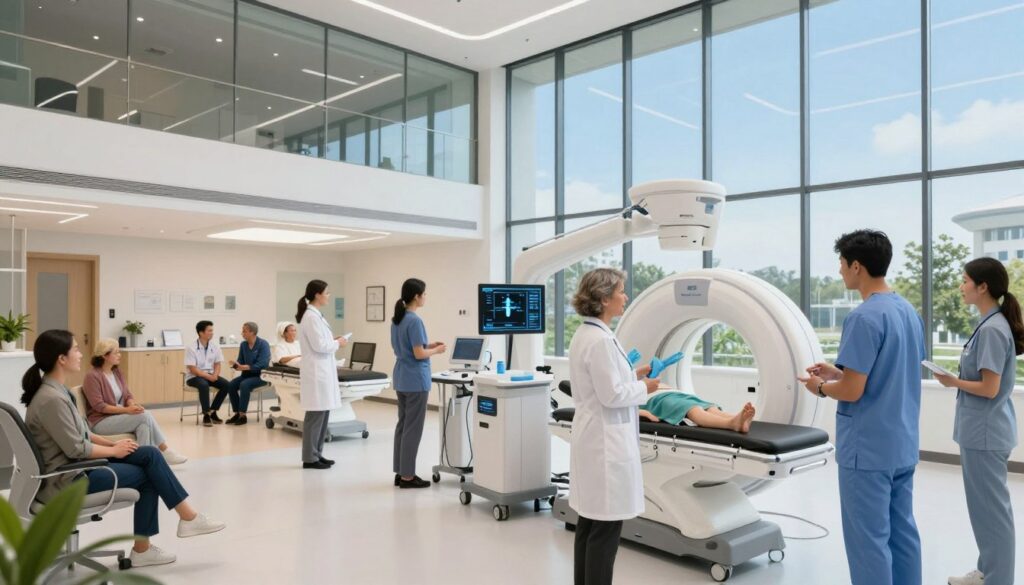
The evolution of advanced cancer care has been marked by the integration of innovative therapies such as immunotherapy and proton therapy. These cutting-edge treatments offer new hope for patients with various types of cancer, improving survival rates and quality of life.
Immunotherapy, for instance, harnesses the body’s immune system to fight cancer, while proton therapy provides precise radiation treatment with minimal damage to surrounding tissues.
Why Treatment Center Selection Matters
Selecting the right cancer treatment center is crucial for patients. Centers with comprehensive care programs, multidisciplinary teams, and access to clinical trials can significantly impact treatment outcomes.
Patients should consider factors such as the center’s expertise in specific cancer types, the availability of advanced treatments, and the quality of supportive care when making their decision.
What Makes a Cancer Treatment Center World-Class
A world-class cancer treatment center is defined by its ability to provide comprehensive and cutting-edge care. Such centers are distinguished by several key characteristics that set them apart in the fight against cancer.
National Cancer Institute Comprehensive Designation
One of the most prestigious recognitions a cancer center can receive is the National Cancer Institute (NCI) Comprehensive Cancer Center designation. This status is awarded to centers that demonstrate excellence in cancer research, treatment, and education. NCI-designated centers are at the forefront of cancer research and treatment, offering patients access to the latest therapies and clinical trials.
Access to Advanced Treatment Modalities
World-class cancer centers offer a wide range of advanced treatment options, including immunotherapy and proton therapy. These cutting-edge treatments are often not available at smaller or less specialized centers. The availability of such modalities ensures that patients receive the most effective and innovative care available.
Multidisciplinary Care Teams and Expertise
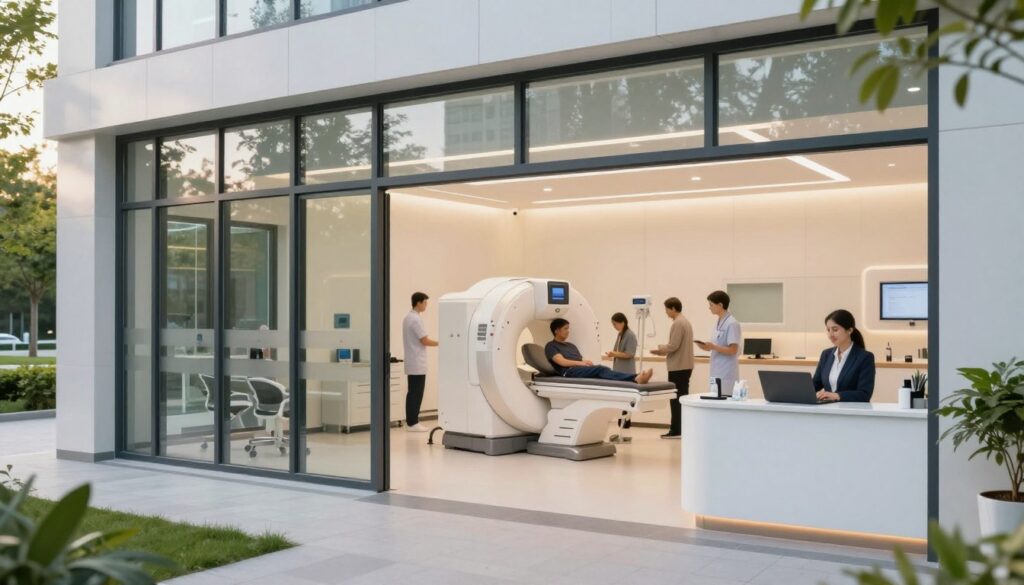
A hallmark of top cancer centers is their multidisciplinary approach to care. Teams comprising specialists from various fields work together to develop personalized treatment plans for each patient. This collaborative approach ensures that patients benefit from the collective expertise of the team.
Research and Clinical Trial Participation
Active participation in cancer research and clinical trials is another characteristic of world-class cancer centers. By being involved in research, these centers can offer patients access to new and experimental treatments that may not be available elsewhere.
Premier Hospitals USA Cancer Treatment Centers
The premier cancer centers in the United States are recognized globally for their advanced treatment modalities and multidisciplinary care teams. These institutions are at the forefront of cancer research and treatment, offering patients access to the latest therapies and clinical trials.
MD Anderson Cancer Center, Texas
MD Anderson Cancer Center is one of the world’s most respected cancer centers, known for its comprehensive care and innovative treatments. It is ranked as one of the top cancer hospitals in the USA by U.S. News & World Report. MD Anderson’s expertise spans all types of cancer, and it has a strong reputation for its research programs and clinical trials.
Memorial Sloan Kettering Cancer Center, New York
Memorial Sloan Kettering Cancer Center is another leading institution in cancer care, recognized for its specialized treatment programs and innovative therapies. It has a strong focus on research and has made significant contributions to the field of oncology.
Mayo Clinic Comprehensive Cancer Center
The Mayo Clinic Comprehensive Cancer Center is known for its patient-centered care and multidisciplinary approach to cancer treatment. With locations in multiple states, it provides comprehensive care to a wide range of patients.
Johns Hopkins Sidney Kimmel Comprehensive Cancer Center
Johns Hopkins Sidney Kimmel Comprehensive Cancer Center is a National Cancer Institute-designated comprehensive cancer center, recognized for its research and clinical programs. It is known for its expertise in various types of cancer and its innovative treatment approaches.
Dana-Farber Cancer Institute, Massachusetts
Dana-Farber Cancer Institute is a leading cancer research and treatment center, known for its expertise in adult and pediatric cancer care. It is affiliated with Harvard Medical School and has a strong reputation for its clinical trials and research programs.
These premier cancer centers are setting the standard for cancer care in the USA, offering patients the best possible outcomes through their advanced treatments and comprehensive support services.
Understanding Advanced Immunotherapy for Cancer
Immunotherapy has revolutionized cancer treatment by harnessing the body’s immune system to fight cancer cells. This innovative approach has shown significant promise in treating various types of cancer.
How Immunotherapy Works to Fight Cancer
Immunotherapy works by stimulating the immune system to recognize and attack cancer cells more effectively. Unlike traditional cancer treatments that directly target cancer cells, immunotherapy focuses on enhancing the body’s natural defenses. It can do this in several ways, such as by boosting the overall immune response or by specifically targeting cancer cells.
Types of Immunotherapy Treatment Available
There are several types of immunotherapy treatments available for cancer, including:
- CAR T-Cell Therapy: A form of treatment where a patient’s T cells are modified to recognize and attack cancer cells.
- Checkpoint Inhibitors: Drugs that release the brakes on the immune system, allowing it to attack cancer cells more effectively.
- Cancer Vaccines: Vaccines that stimulate the immune system to recognize and fight cancer cells.
Cancers Most Responsive to Immunotherapy
Immunotherapy has shown remarkable success in treating certain types of cancer, including melanoma, lung cancer, and bladder cancer. The effectiveness of immunotherapy can vary depending on the type of cancer and the individual patient’s condition.
As research continues to advance, the potential for immunotherapy to treat a wider range of cancers grows, offering new hope for patients and their families.
Leading Immunotherapy Programs in USA Cancer Centers
Immunotherapy has emerged as a groundbreaking approach in cancer treatment, with several top-tier cancer centers in the USA leading the charge. These centers are at the forefront of developing and implementing innovative immunotherapy treatments that are changing the landscape of cancer care.
CAR T-Cell Therapy Centers of Excellence
CAR T-Cell therapy is a form of immunotherapy that involves removing T cells from a patient’s blood, modifying them to recognize cancer cells, and reinfusing them. Top cancer centers offering this therapy include:
- University of Pennsylvania’s Abramson Cancer Center
- Memorial Sloan Kettering Cancer Center
- City of Hope National Medical Center
Checkpoint Inhibitor Treatment Programs
Checkpoint inhibitors are another crucial aspect of immunotherapy, working by releasing the brakes on the immune system to fight cancer more effectively. Leading programs are available at:
- MD Anderson Cancer Center
- Johns Hopkins Sidney Kimmel Comprehensive Cancer Center
Cancer Vaccine Research Facilities
Cancer vaccines aim to prevent or treat cancer by stimulating the immune system. Prominent research facilities include:
- Dana-Farber Cancer Institute
- Mayo Clinic Comprehensive Cancer Center
Success Rates and Patient Outcomes
The success of these immunotherapy programs is reflected in improved patient outcomes. For instance, CAR T-Cell therapy has shown significant promise in treating certain types of blood cancers.
These leading immunotherapy programs underscore the USA’s commitment to advancing cancer treatment. By leveraging cutting-edge therapies and research, these centers are offering new hope to patients.
Proton Therapy: The Future of Precision Radiation
Proton therapy is revolutionizing cancer treatment with its precision radiation capabilities. This advanced form of radiation therapy uses protons instead of X-rays to kill cancer cells, offering a more targeted approach that spares surrounding healthy tissue.
The Science Behind Proton Beam Technology
Proton beam technology accelerates protons to high speeds, which are then directed at the tumor site. The protons release their energy precisely at the tumor location, minimizing damage to surrounding tissues. This is due to the Bragg peak effect, where protons deposit most of their energy at a specific depth, corresponding to the tumor’s location.
Advantages Over Conventional Radiation Therapy
Proton therapy offers several advantages over conventional radiation therapy. It reduces the risk of side effects by minimizing exposure to healthy tissues. This is particularly beneficial for treating tumors near critical structures, such as the brain, spine, or heart.
- Reduced risk of secondary cancers
- Less damage to surrounding healthy tissues
- Effective treatment for inoperable or hard-to-reach tumors
Which Patients Benefit Most from Proton Therapy
Proton therapy is particularly beneficial for patients with tumors that are close to critical organs or structures. It is also used for treating certain types of pediatric cancers, where minimizing long-term side effects is crucial.
Some of the cancers that are commonly treated with proton therapy include brain tumors, spinal tumors, and certain types of pediatric cancers.
Top Proton Therapy Centers Across the United States
For patients seeking the most advanced form of radiation therapy, the USA hosts numerous premier proton therapy centers. These centers are at the forefront of cancer treatment, offering precision and effectiveness in targeting tumors.
The United States is a global leader in proton therapy, with several renowned centers providing cutting-edge treatment options. The following are some of the top proton therapy centers across the country.
MD Anderson Proton Therapy Center, Houston
The MD Anderson Proton Therapy Center in Houston is renowned for its comprehensive cancer treatment programs. It utilizes advanced proton therapy technology to treat a wide range of cancers, including those in sensitive areas.
Mayo Clinic Proton Beam Therapy Program, Multiple Locations
Mayo Clinic’s Proton Beam Therapy Program is available across multiple locations, providing patients with access to cutting-edge proton therapy. This program is known for its multidisciplinary approach to cancer care, ensuring that patients receive comprehensive treatment.
Massachusetts General Hospital Francis H. Burr Proton Therapy Center
The Francis H. Burr Proton Therapy Center at Massachusetts General Hospital is a leader in proton therapy research and treatment. It has treated thousands of patients with various types of cancer, showcasing its expertise in the field.
University of Pennsylvania Roberts Proton Therapy Center
The Roberts Proton Therapy Center at the University of Pennsylvania is another esteemed institution offering proton therapy. It is recognized for its innovative treatment protocols and patient care, making it a top choice for those seeking proton therapy.
These top proton therapy centers in the USA are revolutionizing cancer treatment with their advanced technology and comprehensive care programs, offering new hope to patients with cancer.
Combining Immunotherapy and Proton Therapy
The synergy between immunotherapy and proton therapy is opening new avenues in cancer care. By combining these advanced treatments, researchers and clinicians aim to enhance patient outcomes and reduce side effects.
Synergistic Treatment Approaches
Combining immunotherapy with proton therapy can potentially increase the effectiveness of cancer treatment. Proton therapy’s precision in targeting tumors, coupled with immunotherapy’s ability to stimulate the immune system, may lead to improved survival rates and better quality of life for patients.
Key benefits of this combination include:
- Enhanced tumor targeting
- Reduced damage to surrounding healthy tissues
- Potential for improved patient outcomes
Centers Offering Integrated Advanced Therapies
Several leading cancer centers in the United States are now offering integrated programs that combine immunotherapy and proton therapy. These centers are at the forefront of research and treatment, providing patients with access to cutting-edge care.
| Cancer Center | Location | Treatments Offered |
|---|---|---|
| MD Anderson Cancer Center | Texas | Immunotherapy, Proton Therapy |
| Memorial Sloan Kettering Cancer Center | New York | CAR T-Cell Therapy, Proton Therapy |
| Mayo Clinic Comprehensive Cancer Center | Multiple Locations | Immunotherapy, Proton Beam Therapy |
Navigating Insurance and Treatment Costs
Navigating the complex landscape of cancer treatment costs requires careful planning and knowledge of available resources. Cancer patients and their families often face significant financial challenges due to the high cost of advanced treatments.
Insurance Coverage for Advanced Cancer Treatments
Most insurance plans cover some form of cancer treatment, but the extent of coverage can vary widely. It’s essential for patients to understand their insurance policies, including what is covered, deductibles, and any out-of-pocket expenses. Advanced treatments like immunotherapy and proton therapy may have specific coverage requirements or limitations.
Patients should contact their insurance providers to clarify coverage details and understand any pre-approval processes required for certain treatments.
Financial Assistance and Support Programs
Various financial assistance programs are available to help cancer patients manage treatment costs. These include government programs, non-profit organizations, and pharmaceutical company assistance programs. Some organizations offer grants or direct financial assistance to eligible patients.
Patients can work with their treatment center’s financial counselors to identify potential sources of financial aid and navigate the application process.
Understanding Out-of-Network Options
In some cases, patients may need to seek care from out-of-network providers, especially if their preferred treatment center is not within their insurance network. Understanding the implications of out-of-network care, including higher costs and potential balance billing, is crucial.
Patients should discuss their options with their healthcare providers and insurance companies to make informed decisions about their care.
Clinical Trials and Experimental Treatment Access
Clinical trials represent a crucial avenue for advancing cancer treatment, offering patients access to innovative therapies that may not be available through standard care options. These trials are research studies that evaluate the safety and efficacy of new treatments, which can include medications, surgical procedures, or other interventions.
Benefits of Clinical Trial Participation
Participating in clinical trials can provide patients with access to cutting-edge treatments that are not yet widely available. Additionally, clinical trials contribute significantly to the advancement of cancer research, helping to identify more effective treatments and improve patient outcomes.
How to Find Eligible Clinical Trials
Patients can find eligible clinical trials through various resources, including their healthcare provider, online databases such as ClinicalTrials.gov, and cancer support organizations. It’s essential for patients to discuss their eligibility and the potential benefits and risks with their oncologist.
Leading Research Institutions
Several institutions in the United States are at the forefront of cancer research and clinical trials. These include the National Cancer Institute (NCI) designated cancer centers, such as MD Anderson Cancer Center and Memorial Sloan Kettering Cancer Center.
| Institution | Location | Focus Areas |
|---|---|---|
| MD Anderson Cancer Center | Houston, TX | Immunotherapy, Proton Therapy, CAR T-Cell Therapy |
| Memorial Sloan Kettering Cancer Center | New York, NY | Immunotherapy, Targeted Therapy, Surgery |
| Johns Hopkins Sidney Kimmel Comprehensive Cancer Center | Baltimore, MD | Cancer Genetics, Immunotherapy, Clinical Trials |
Comprehensive Patient Support Services
The journey through cancer diagnosis and treatment is challenging, but top US cancer centers are now focusing on comprehensive support services to ease this journey. These centers understand that cancer care extends beyond medical treatment to include emotional, psychological, and practical support.
Patient Navigation and Care Coordination
Patient navigation programs are crucial in helping patients and their families navigate the complex healthcare system. These programs provide guidance on treatment options, help manage appointments, and facilitate communication between different healthcare providers. Effective care coordination ensures that patients receive seamless, comprehensive care tailored to their individual needs.
Integrative Medicine and Supportive Care
Integrative medicine combines conventional cancer treatments with evidence-based complementary therapies. These may include acupuncture, meditation, and nutritional counseling, which can help manage treatment side effects and improve overall well-being. Supportive care services, such as pain management and psychological support, are also integral to patient care.
Survivorship Programs and Follow-Up Care
Survivorship programs are designed to support patients after treatment, addressing the unique challenges they face during recovery. These programs often include follow-up care plans, surveillance for recurrence, and resources for managing long-term treatment effects.
| Support Service | Description | Benefits |
|---|---|---|
| Patient Navigation | Guidance through the healthcare system | Reduced stress, improved care coordination |
| Integrative Medicine | Complementary therapies alongside conventional treatment | Improved symptom management, enhanced well-being |
| Survivorship Programs | Support after treatment completion | Better recovery outcomes, improved quality of life |
Selecting the Right Cancer Treatment Center for You
With numerous cancer treatment centers across the USA, selecting the one that best fits your needs requires careful consideration of several key factors.
Key Factors in Hospital Evaluation
When evaluating a cancer treatment center, consider the following crucial elements:
- Accreditation and Certification: Ensure the center is accredited by reputable organizations.
- Multidisciplinary Care Team: A team of specialists working together to create a personalized treatment plan.
- Advanced Treatment Options: Access to cutting-edge treatments such as immunotherapy and proton therapy.
- Clinical Trials and Research: Participation in clinical trials can offer access to innovative treatments.
Questions to Ask Your Oncologist
It’s essential to ask the right questions to understand your treatment options fully. Consider asking:
- What are the available treatment options for my specific type of cancer?
- What are the potential side effects of each treatment?
- Are there any clinical trials that I may be eligible for?
The Importance of Second Opinions
Seeking a second opinion can provide additional insights into your diagnosis and treatment options. It can also offer peace of mind and help you make a more informed decision.
Geographic and Logistical Considerations
The location of the treatment center and the logistics of receiving care are also important factors. Consider the travel requirements and whether the center offers support for patients and their families.
Conclusion
The landscape of cancer treatment in the United States has undergone significant transformations, offering new hope to patients and their families. Advanced therapies, including immunotherapy and proton therapy, have emerged as game-changers in the fight against cancer.
Top cancer treatment centers, such as MD Anderson Cancer Center and Memorial Sloan Kettering Cancer Center, are at the forefront of providing cutting-edge care. These institutions offer a multidisciplinary approach, combining expertise from various fields to create personalized treatment plans.
A cancer treatment summary highlights the importance of accessing advanced therapies, which have shown promising results in treating various types of cancer. The integration of immunotherapy and proton therapy is particularly noteworthy, as it offers a synergistic approach to cancer care.
As cancer treatment continues to evolve, patients and their families must stay informed about the latest developments and options available. By choosing a reputable cancer treatment center and exploring advanced therapies, individuals can improve their chances of successful treatment outcomes.